
The activity is introduced by a short interactive lesson about the concept of recycling and the use of natural resources through examples of animals and communities. Next, the children will have a chance to put what they have learned into practice: with the help of a wooden mold, they will use a mixture from clay and rice husk, a byproduct of the rice supply chain, to create eco-friendly bricks, inspired by the construction techniques of the African Kassena people.
The bricks will be used to make personal constructions, which each child can take home.
Children learn and practice concepts related to environmental sustainability and manual skills while becoming familiar with construction techniques from different cultures.
We think it is crucial to educate the next generation on the responsible use of the environment's resources, and in this workshop we have tried to stimulate their curiosity by mentioning some animals and communities that on the use of resources and their recycling we believe are exemplary.
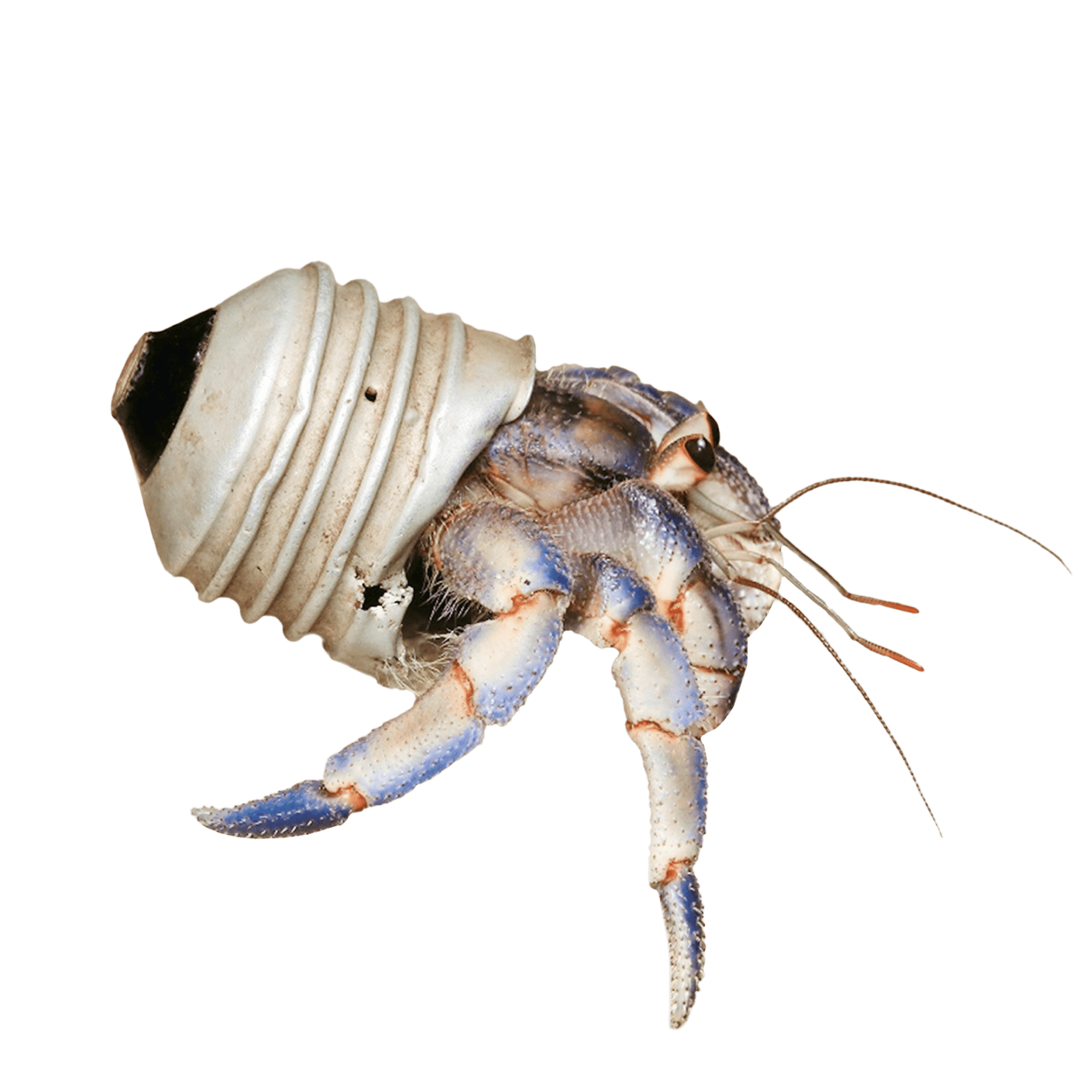
A striking example is the hermit crab, a small animal capable of using human waste instead of traditional shells for protection.
Similar behaviors highlight not only the adaptive capacity of some animals, but also the direct impact of human actions on the marine ecosystem.
Moreover, some human communities can offer important lessons in sustainability, such as the emblematic case of the Kassena people of northern Ghana, who use only earth and wood to build their homes, demonstrating how it is possible to meet their needs without irreparably damaging the surrounding ecosystem.
We believe that lessons like these not only help preserve the environment for future generations, but also foster a sense of responsibility and emotional connection with the natural world.